

Pintenfritz, the original
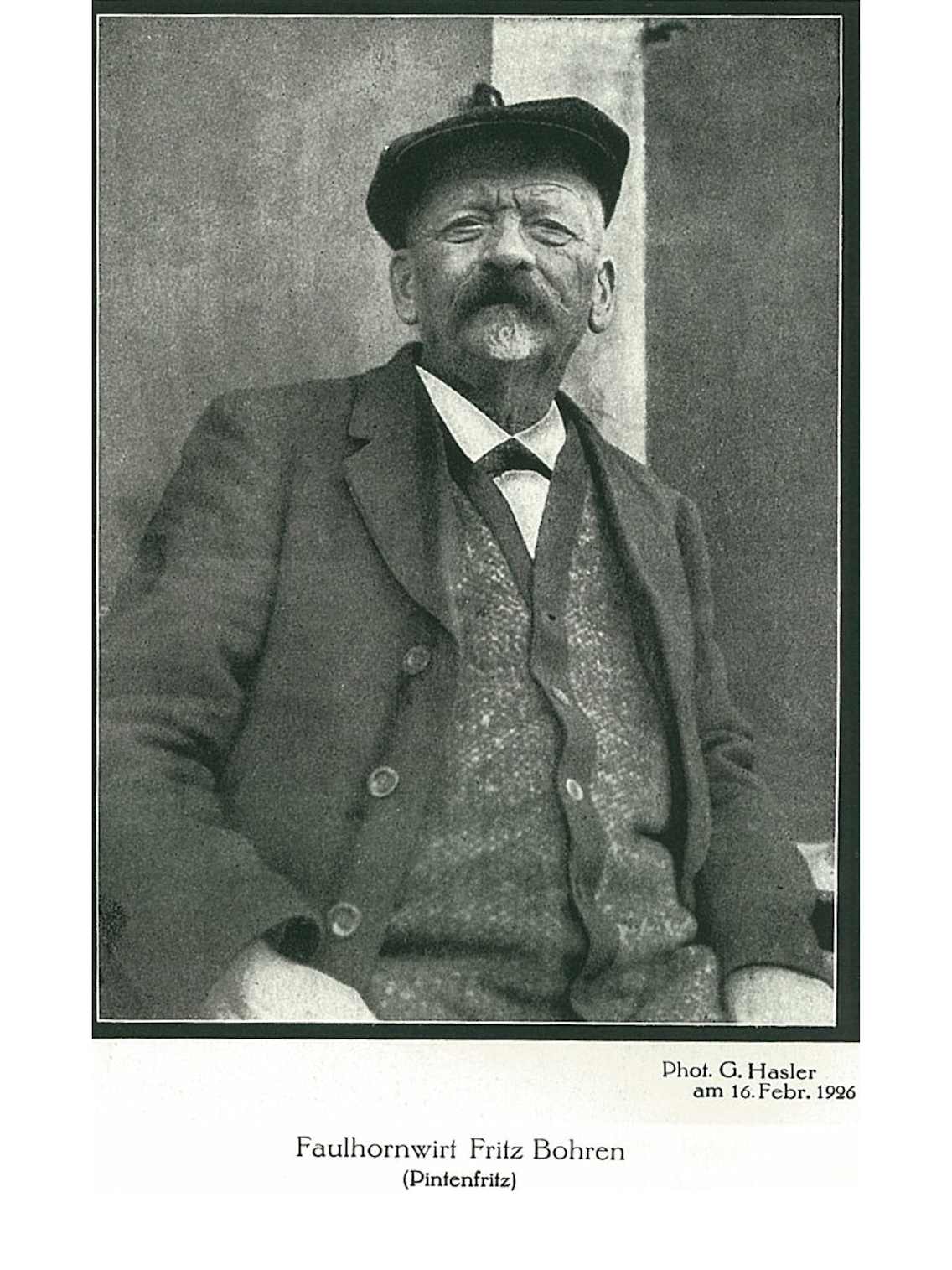
Fritz Bohren, aka "Pintenfritz", was the craziest host of the Berghotel Faulhorn. He gave his name to "Big Pintenfritz", one of the longest toboggan runs in Europe.
A cigar in the corner of his mouth, mischief in his eyes and a flat cap sitting at an angle: that is how Fritz Bohren, aka «Pintenfritz», is remembered. The man not only ran the «Pinte», as the Hotel Bellevue in Grindelwald is called in the local dialect. He was also head of the Berghotel Faulhorn from 1888 to 1926. A stay in the hotel built in 1832 is just as it was in Pintenfritz's times. The Biedermeier facilities are preserved along with a night shirt and everyday objects of the famous host.
Taking a sled to the Pinte
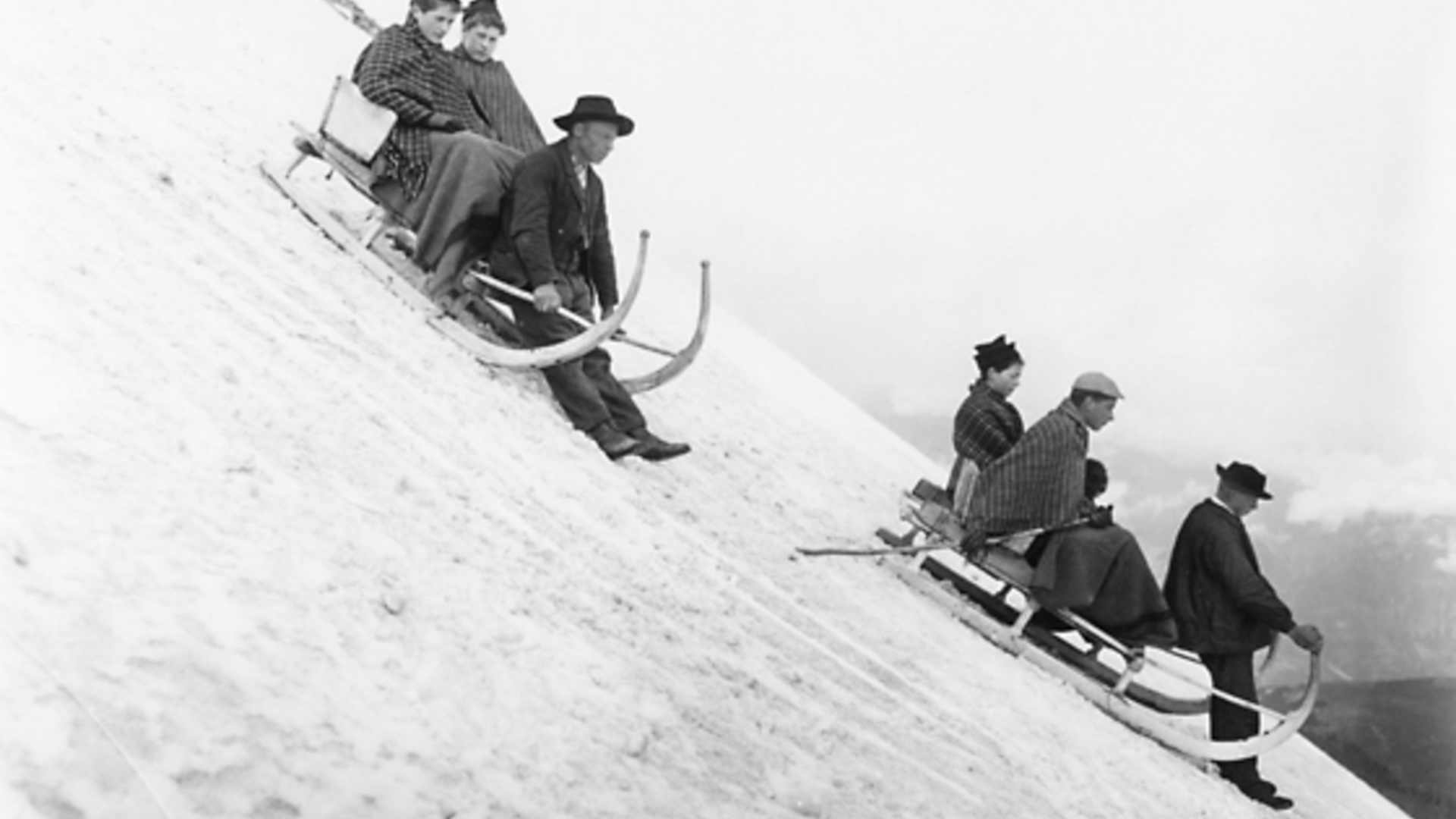
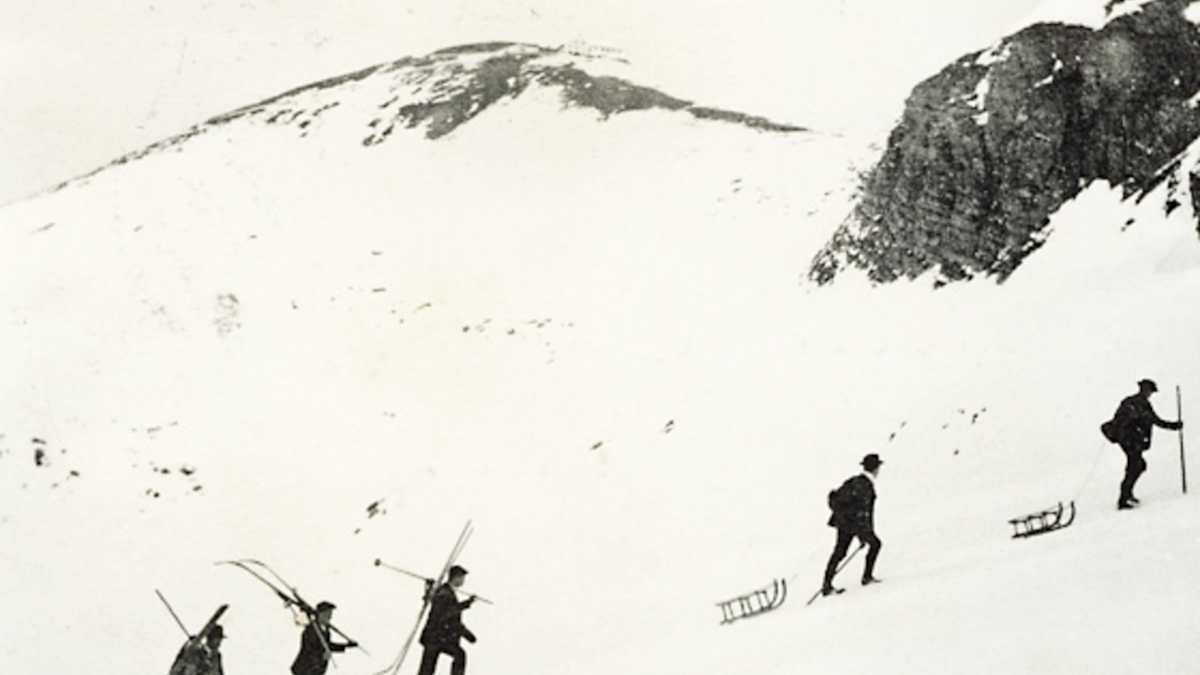
Pintenfritz was one of the few hosts who opened the mountain hotel in the winter season. Postcards from the turn of the century show that even then guests rode with horn sleds to Grindelwald, always following the "Steinmannli" that marked the way.
Today, the "Big Pintenfritz" sledging run is the best prepared, and at 15 kilometres, one of the longest in Europe. This is where the "Big" in its name comes from. But why was it named after Pintenfritz? Legend has it that Pintenfritz loved to sledge to Grindelwald in order to spend the night there. It was not until early morning that he returned to the Faulhorn. How he managed to do this remains a mystery: at that time, there was no railway on First that would have shortened the route.
Cheeky but attentive
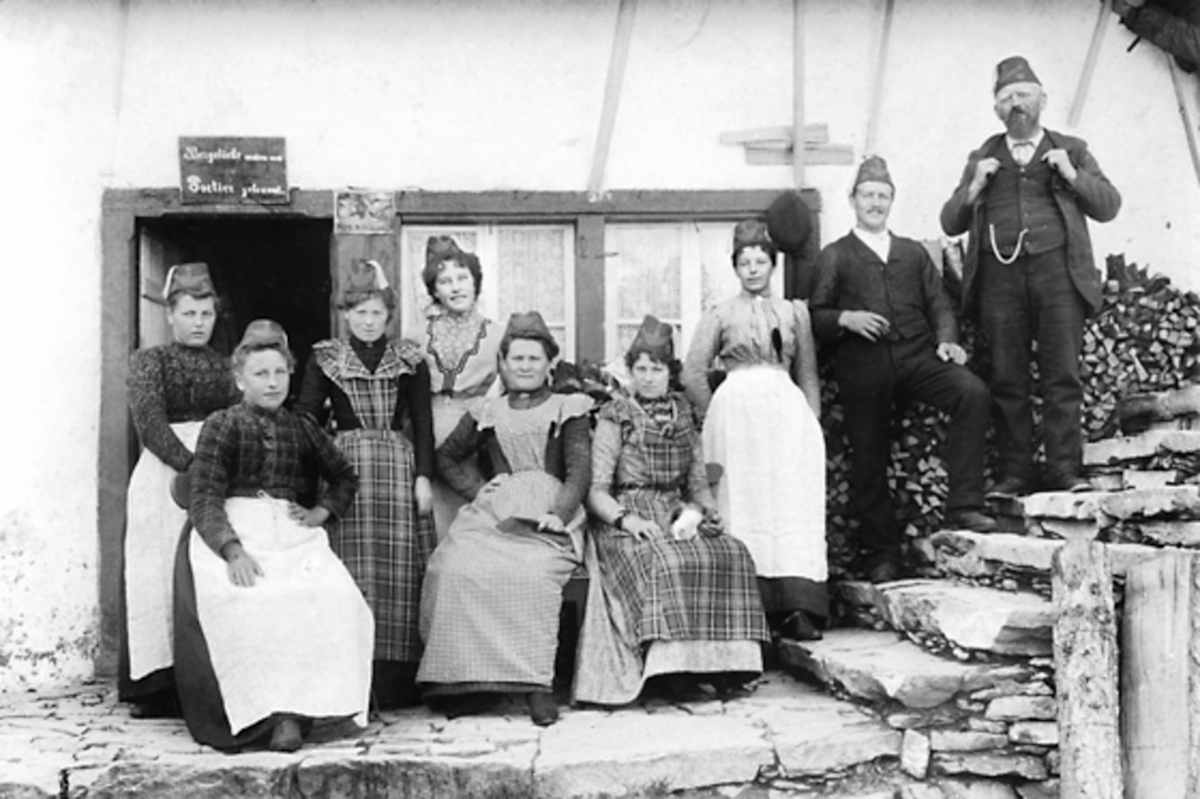
Time and again, Pintenfritz served his guests in a lively manner – and often teased them as well. To a silly old lady, who wanted fresh drinking water, he allegedly said that the water might be from the rain barrel, in which an Englishman drowned two days before. And to a guest who was combing his artist's hairdo, he shouted that he could stop and the Faulhorn staff would comb his hair for him. In the local dialect, this means taking someone's money.
But instead of hurting the business, his humour made Pintenfritz a legend. More and more guests poured into the Faulhorn, thereby discovering his caring side: Fritz Bohren welcomed soaked travellers with a hot toddy and provided them with dry clothes.